Waxing works. It's immediate, reliable, and fits into most routines without much thought. But it works the same way every time, which means the appointments don't stop. Three to six weeks from now, the hair is back and so is the scheduling.
Laser hair removal offers a different outcome. Not just smoother skin in the short term, but a gradual reduction in hair growth that, for most patients, eventually changes the routine entirely. The two methods aren't really comparable on the same terms because they don't lead to the same place.
Whether laser hair removal vs. waxing is the right call for you depends on your skin type, your hair type, and what you're actually trying to accomplish. Here's an honest breakdown of both.
The difference in long-term results starts with the difference in how each method works at the follicle level.
Waxing removes hair at the root. Warm wax is applied to the skin and pulled off quickly against the direction of hair growth, taking the hair with it. The follicle stays intact, which means the hair grows back on the same schedule it always has. Waxing doesn't change anything about how your hair grows. It removes what's there and resets the clock.
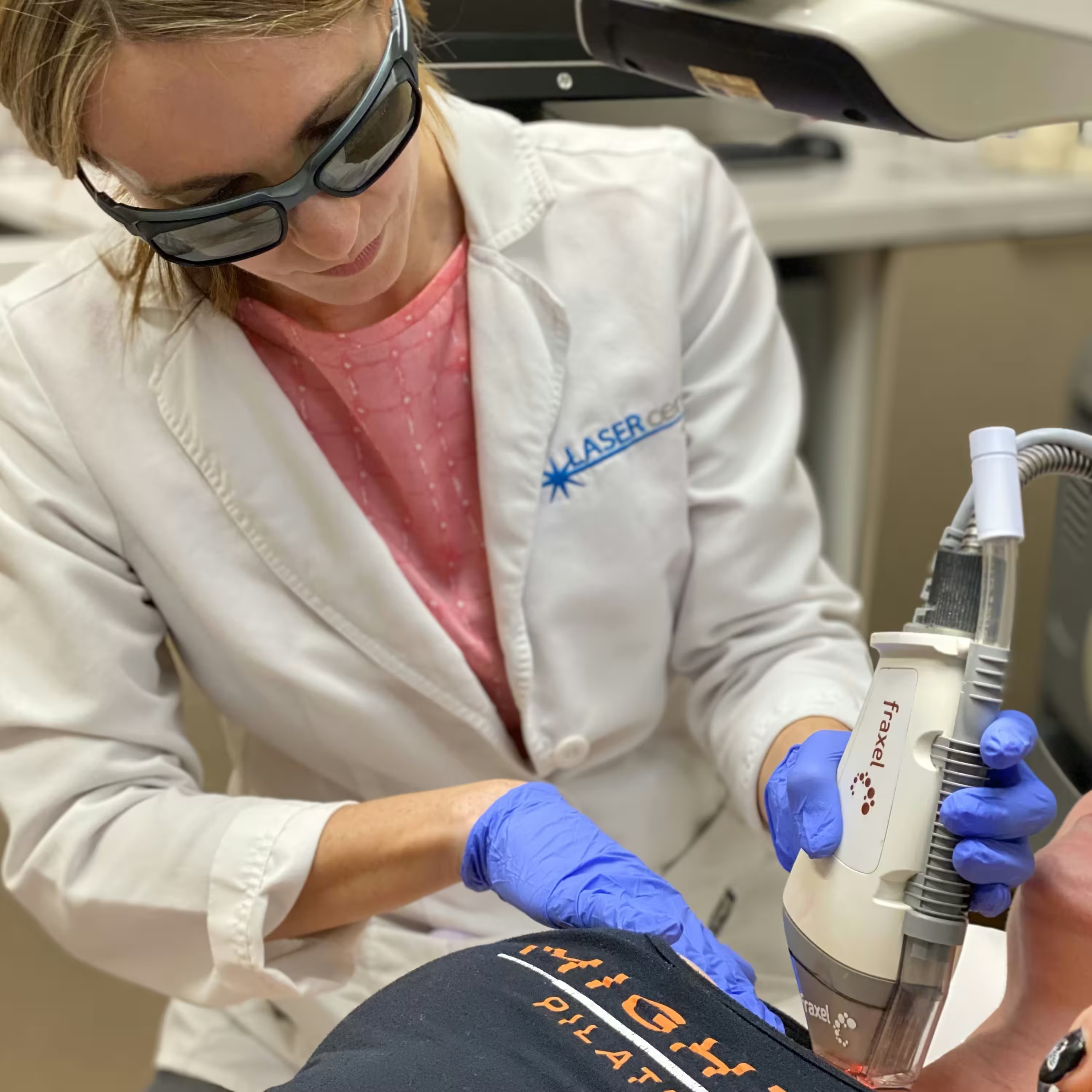
Laser hair removal works differently. A concentrated beam of light targets the pigment in the hair shaft, converts to heat, and damages the follicle at the root. Over repeated sessions, that damage reduces the follicle's ability to produce hair at all. The distinction matters: waxing removes hair. Laser changes the follicle's ability to grow it.
Because hair grows in cycles, multiple sessions are needed to treat each follicle at the right stage. Results build gradually rather than appearing after the first appointment.
This is where the two methods diverge most significantly.
Waxing delivers immediate results. You leave the appointment with smooth skin, and that smoothness lasts until the hair grows back — typically three to six weeks, depending on the area and your natural growth rate. Then the cycle starts again. There's no endpoint because waxing doesn't change anything about the follicle. The hair comes back at the same thickness, the same rate, indefinitely.
Waxing is also a common cause of ingrown hairs. Pulling hair against the direction of growth disrupts the follicle's trajectory, and when the hair regrows, it sometimes fails to break through the skin surface. For patients who deal with chronic ingrowns, waxing is often the cause rather than the solution.
Laser hair removal doesn't deliver instant results, but it delivers a fundamentally different outcome. After each session, treated hairs shed over the following one to two weeks. Regrowth comes back finer and sparser. With each subsequent session there's less hair to treat, and the remaining hair is progressively weaker. By the end of a full course of treatment, most patients have significantly reduced hair growth in the treated areas. Maintenance touch-ups may be needed periodically, but the indefinite cycle of regular appointments ends.
Because laser damages the follicle rather than just removing the hair, it also eliminates ingrown hairs over time. There's no follicle disruption and nothing to become trapped under the skin surface.
Neither method is pain-free, but they produce different kinds of discomfort and the comparison isn't as close as most people expect.
Waxing causes a sharp, immediate sensation as the strip is pulled away. Most people find it most uncomfortable in sensitive areas: the bikini line, underarms, upper lip, and Brazilian area. The pain is brief but consistent, and it doesn't necessarily get easier over time. Many patients adapt to it after years of regular appointments, but for others, the discomfort remains significant regardless of how long they've been waxing.
Laser hair removal is most often described as a rubber band snapping against the skin, followed by a brief warm sensation in the treated area. It's less sharp than waxing and more diffuse. Modern laser systems include integrated cooling technology that reduces discomfort during treatment considerably, which makes a meaningful difference in sensitive areas.
A few things affect how laser feels in practice. Skin that's been recently sun-exposed is more sensitive, which is one reason providers ask you to avoid the sun before treatment. The first session tends to be the most intense because there are more active follicles to treat. As hair thins with each session, subsequent treatments become progressively more comfortable. By the later sessions, most patients describe very little sensation at all.
Waxing is more accessible upfront. Individual sessions cost less than laser, and there's no significant initial investment to get started.
Laser hair removal requires a larger initial commitment, and the total varies depending on the treatment area, your hair and skin type, and how many sessions you need. What it has that waxing doesn't is an endpoint. Waxing is an indefinite expense because the hair always comes back. Laser has a defined course of treatment after which the ongoing cost drops significantly or disappears.
For patients who wax multiple areas regularly, that difference is worth thinking through. A consultation is the right place to have that conversation for your specific situation.
Waxing has virtually no candidacy restrictions. It works on all hair colors, all skin tones, and most body areas. If you have hair you want removed, waxing can remove it.
Laser hair removal is more specific, and this is where the technology being used matters as much as your skin type.
Traditionally, the ideal candidate was someone with light skin and dark, coarse hair. That's still the easiest combination to treat, but it reflects the limitations of older single-laser technology more than it reflects what's possible now. Since the laser targets pigment, the greater the contrast between hair color and skin tone, the more precisely the laser can identify and treat the follicle.
At Laser Center of Marin, we use multiple laser systems specifically to treat a broader range of patients. Different lasers are designed for different skin tones and hair types, and having access to more than one system means we can match the technology to the patient rather than turning someone away because they don't fit a single device's parameters. If you've been told elsewhere that a laser isn't right for your skin tone or hair type, a current assessment here may give you a different answer.
A few situations where laser isn't the right fit, regardless of technology: very fine, light, gray, or white hair doesn't carry enough pigment for any laser to target effectively. Active tans and significant sun exposure temporarily affect candidacy and require timing adjustments. Your provider will assess all of this at your consultation.
This is the part most comparison articles skip entirely, and it's the part that matters most to someone who's been waxing for years and is considering making the switch.
When you start laser hair removal, waxing stops. Waxing removes the hair follicle from the skin, and the follicle is what the laser needs to find and treat. The same applies to plucking and threading. Shaving is fine because it removes hair at the surface without disturbing the follicle, and most patients shave between sessions to manage regrowth.
During the treatment course, you'll have some regrowth between sessions. It won't look or feel the same as pre-laser regrowth. After the first session, hair in the treated area typically sheds within one to two weeks and comes back finer and sparser than before. With each subsequent session there's progressively less of it. The transition period is real, but it gets shorter with every appointment.
Starting in fall or winter makes the transition easier for most patients. Sun exposure is lower, and you're less likely to be concerned about visible hair growth between sessions. If you have a specific event in mind, planning your session schedule around it rather than booking impulsively gives you better control over what your skin looks like and when.
One thing specific to Marin County: outdoor activity is part of daily life here, and sun exposure affects both candidacy and aftercare. Your provider will give you specific guidelines based on your treatment areas and your lifestyle.
Laser Center of Marin has been Marin County's go-to med spa since 2003, with laser hair removal among our most-requested treatments. We use multiple laser systems to treat a wide range of skin tones and hair types, and every treatment plan is personalized to your anatomy and goals under physician supervision.
If you're ready to find out whether you're a candidate and what a full course of treatment looks like for your specific areas, a consultation is the right starting point. From there, we'll give you an honest assessment and a clear picture of what to expect.
No. Waxing removes the hair follicle, which is what the laser needs to target. Between sessions, shaving is the right approach for managing regrowth. It won't affect your laser results.
It depends on the treatment area, your hair growth cycle, and your skin and hair type. Most patients require several sessions spaced four to eight weeks apart. Your provider will give you a more specific estimate at your consultation based on your individual situation.
Older laser technology worked best on light skin and dark hair. The systems we use at Laser Center of Marin treat a broader range of skin tones. A consultation will confirm whether you're a candidate and which system is most appropriate for you.
The FDA classifies laser hair removal as permanent hair reduction rather than permanent removal. Most patients see a significant, lasting reduction in hair growth, with finer and sparser regrowth over time. Periodic touch-up sessions may be needed to maintain results.
Most areas of the body can be treated, including legs, underarms, bikini line, back, chest, arms, and face. Your provider will confirm which areas are appropriate based on your specific treatment plan.
If you're ready to make the switch or just want to know whether laser is an option for you, we'd love to hear from you. Give us a call at 415-945-9314 or schedule a consultation online. We're here when you are.


